7 Surprising Ways Abacus Training Boosts Your Child's IQ and Focus (Science-Backed)
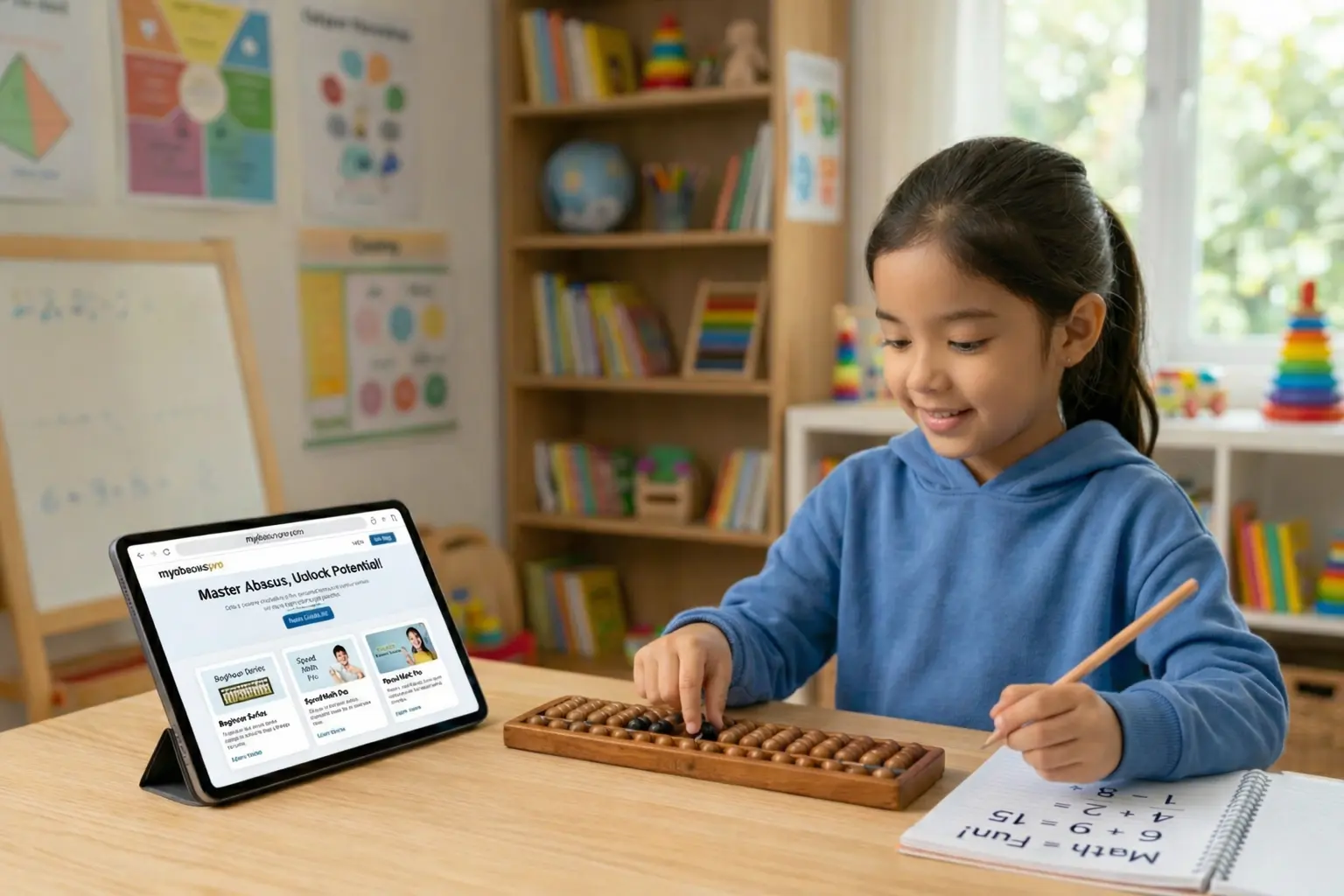
In today's fast-paced digital world, many parents are turning back to an ancient tool to help their children navigate modern challenges: the Abacus. While it might look like a simple toy, the Soroban (Japanese Abacus) is actually a powerhouse for brain development.
Scientific studies have consistently shown that regular abacus training does more than just make children better at math; it fundamentally rewires the brain for success. Here are 7 surprising, science-backed ways abacus training boosts your child's cognitive potential.
1. Whole Brain Development
Standard math training primarily uses the left hemisphere of the brain (logical/linear). However, abacus training requires students to visualize beads and move them mentally. This engages the right hemisphere (creative/visual), leading to "Whole Brain Development." This synergy increases overall cognitive efficiency and IQ.
2. Development of Photographic Memory
Through a technique called Anzan (Mental Abacus), children learn to create a mental image of the abacus. As they perform calculations, they "see" the beads moving in their mind. This practice significantly strengthens the brain's ability to store and recall visual information, effectively developing a "photographic" memory.
3. Radical Improvement in Concentration
To solve a 10-row addition problem at high speed, a child must maintain absolute, unwavering focus. Any momentary distraction leads to a wrong answer. Over time, this discipline builds a "concentration muscle" that helps students excel in other complex subjects like science and languages.
4. Foundation for Logical Reasoning
Abacus training involves mastering specific "formulas" (Small Sister, Big Brother, and Combinations). Applying these rules correctly to solve problems trains the child's mind to follow logical sequences and understand the relationship between cause and effect.
5. High-Speed Information Processing
In the age of information, speed is a superpower. Abacus students learn to process large numbers and complex operations in seconds—often faster than an electronic calculator. This trains the brain to handle complex data streams quickly and accurately.
6. Boosting Confidence and Reducing Math Anxiety
Math is often a source of stress for young learners. When a child masters the abacus, they gain a sense of control over numbers. Calculating faster than their peers provides an immense boost in self-esteem, which translates into a more positive attitude toward all academic challenges.
7. Precision and Accuracy in Daily Tasks
The abacus leaves no room for "almost right." It teaches children the importance of precision from a young age. This habit of accuracy naturally flows into their daily lives, improving their attention to detail in writing, reading, and problem-solving.
Ready to unlock your child's potential?
Join thousands of students on My Abacus Pro and start your journey to becoming a Human Calculator today.
Click here to learn more →Put these techniques into practice
Want to build the lightning-fast calculation skills mentioned in this article? Our specialized practice tools allow you to drill these specific formulas.
Used by 1,000+ students worldwide to master Soroban techniques.
Written By
Satish Mane Abacus Trainer
More in Education
Continue your learning journey with these related articles.
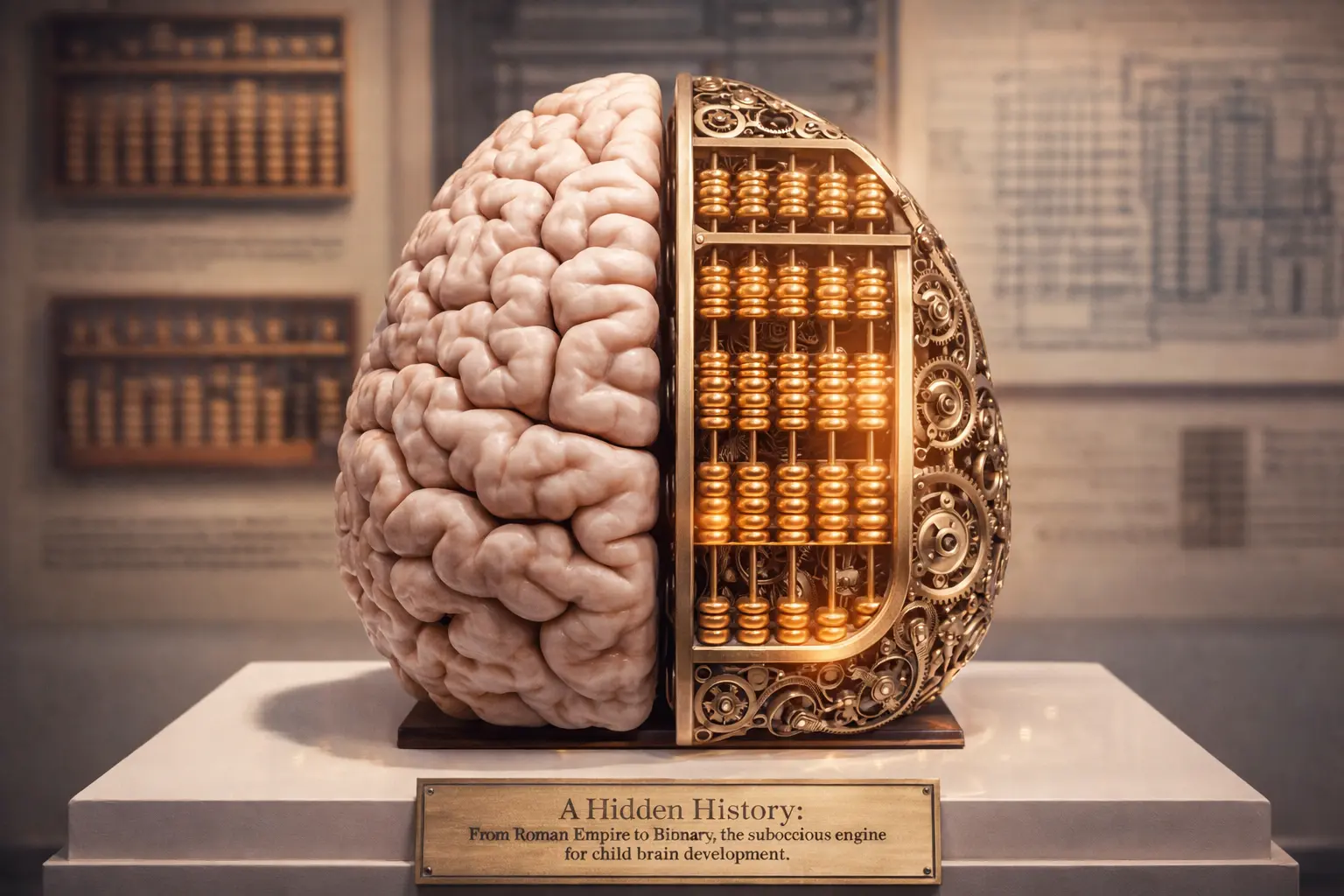
Beyond the Beads: A Complete Guide to the World’s Most Powerful Mental Tool
From the Roman Empire to the Binary systems of modern computers, discover the hidden history of the abacus and how it remains the gold standard for child brain development in 2026.
The Future of Abacus (Soroban): Why This Ancient Tool is the Ultimate 2026 Tech Skill
In an era of AI and automation, why is the Japanese abacus more relevant than ever? Discover how Soroban training prepares the next generation for a world that demands high-speed cognitive processing.